
The MAJIC team
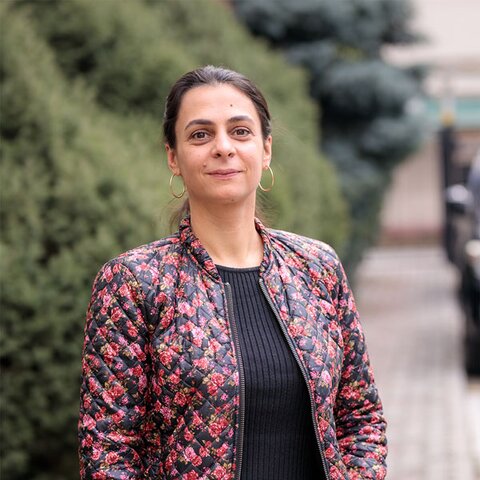
Lucia Direnberger
Lucia is the MAJIC project coordinator and a senior researcher in sociology at the French National Center for Scientific Research (CNRS), based at the French Institute for Central Asian Studies (IFEAC). Her work focuses on social power relations, colonialism and imperialism, particularly in Central Asia. She is interested in subaltern practices and the politics of knowledge production within various social spheres (work, social movements, reproductive politics, and the arts).
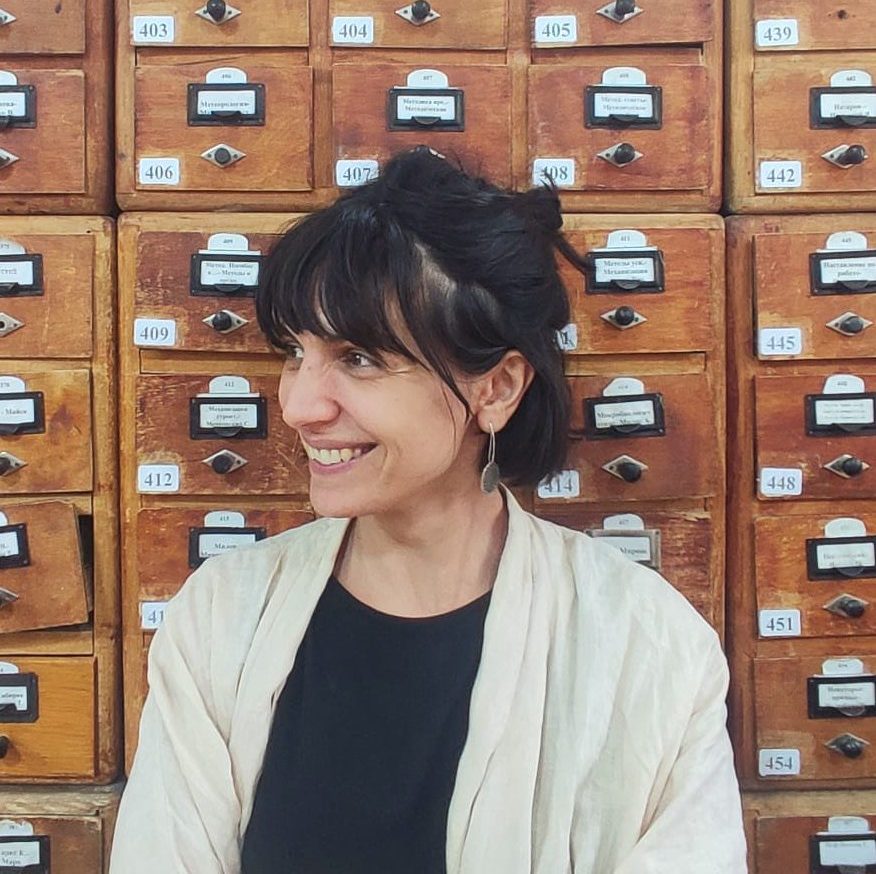
Negar E. Behzadi
Negar is a political geographer whose work explores feminist, postcolonial, and decolonial perspectives on violence, displacement, and exclusion. She is a Senior Lecturer in Human Geography at the University of Bristol, where her research partly focuses on the political ecologies of extraction in a coal mining landscape and on Soviet colonial histories in Tajikistan. She has co-directed and co-produced several films, including Saodat, Another History of the Soviet Empire, with Lucia Direnberger.
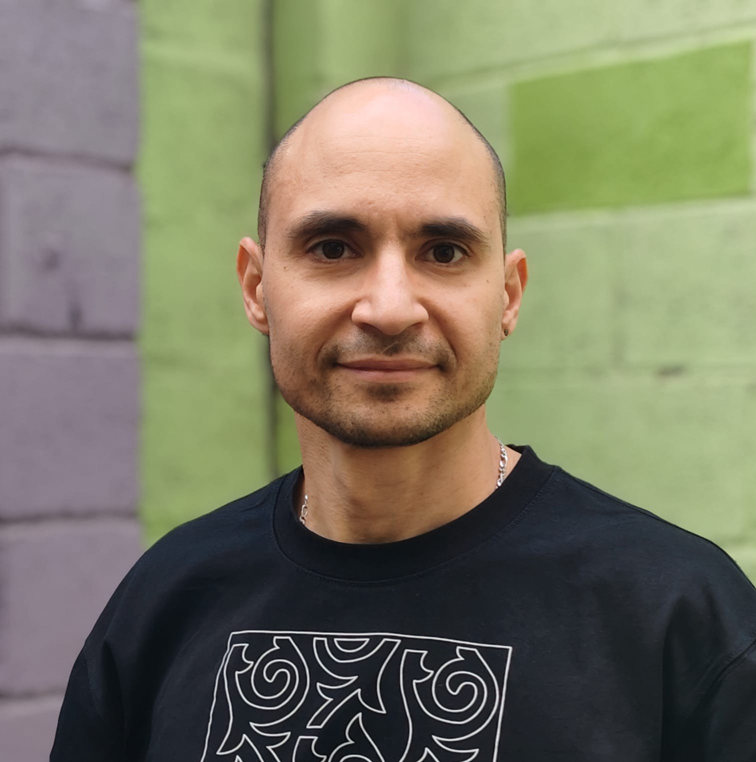
Karim Hammou
Karim is a research fellow at the CNRS and director of the Centre for Sociological and Political Research in Paris (CRESPPA). His current researches explores the role of the memory of collective violence and social struggles in artistic creation, the sociology of commodification of minority status in cultural industries and the transnational circulation of hip-hop.
Altyn Kapalova
Altyn is a researcher at the University of Central Asia. She has been creating experimental art products, combining science, art and politics. Altyn converts the results of her anthropological research into works of art\curated art projects that aim to make the voices of vulnerable communities louder for influencing political decisions and the work of political structures. Her curatorial expertise covers visual arts, theater and creative writing.
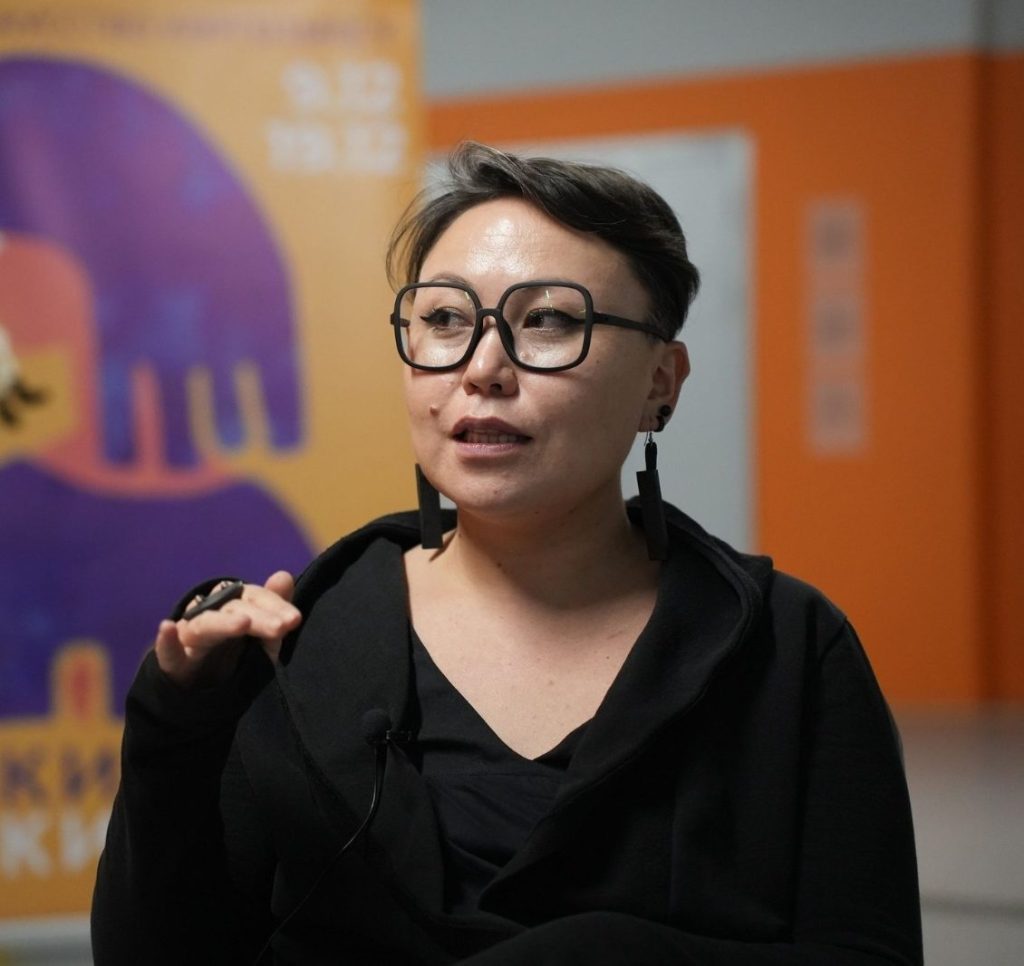
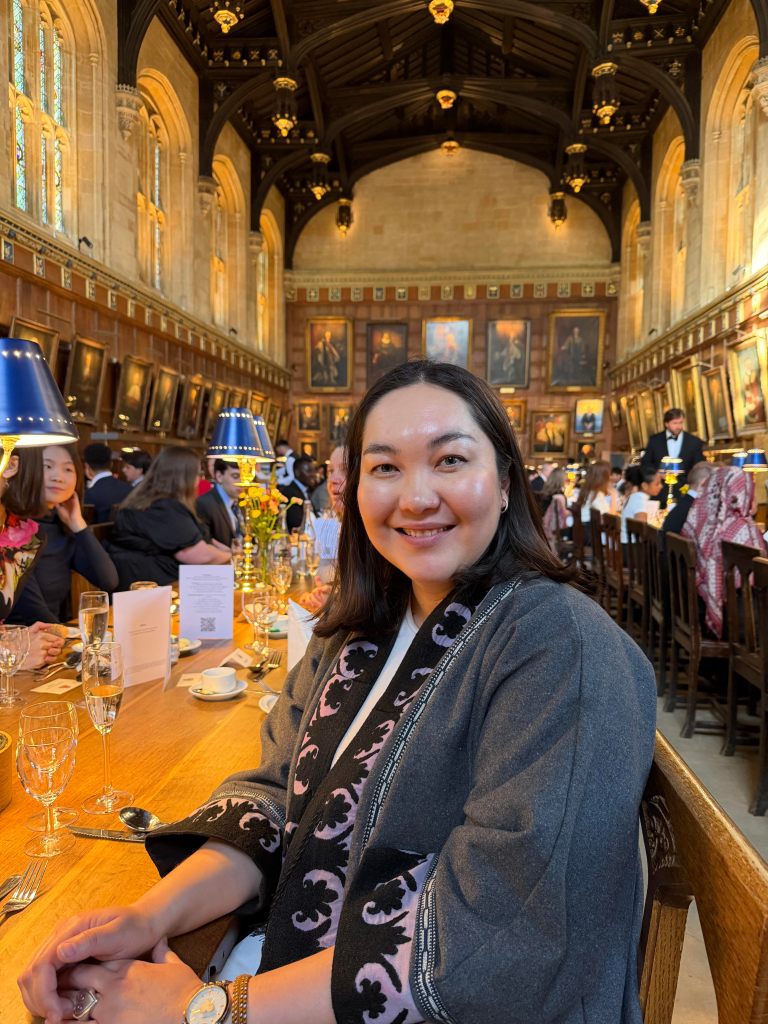
Diana T. Kudaibergen
Diana is a lecturer in Central Asian Politics and Society at the School of Slavonic and East European Studies, University College London. She is a cultural and political sociologist interested in the interplay of power relations in nationalism studies and politics of dictatorship. She studies different intersections of power relations through realms of political sociology dealing with concepts of state, nationalising regimes, and ideologies. She looks at regimes, communities, social movements and protest groups.
Dilda Ramazan
Dilda is a Kazakhstan-born curator and PhD candidate at Paris’ Sorbonne University. Her research and curatorial interests focus on contemporary art of independent Central Asia. She is member of DAVRA and serves on the editorial committee of Marges, revue d’art contemporain, the Kazakhstani section of AICA, and the advisory group at Pitt Rivers Museum, Oxford.

The MAJIC partners
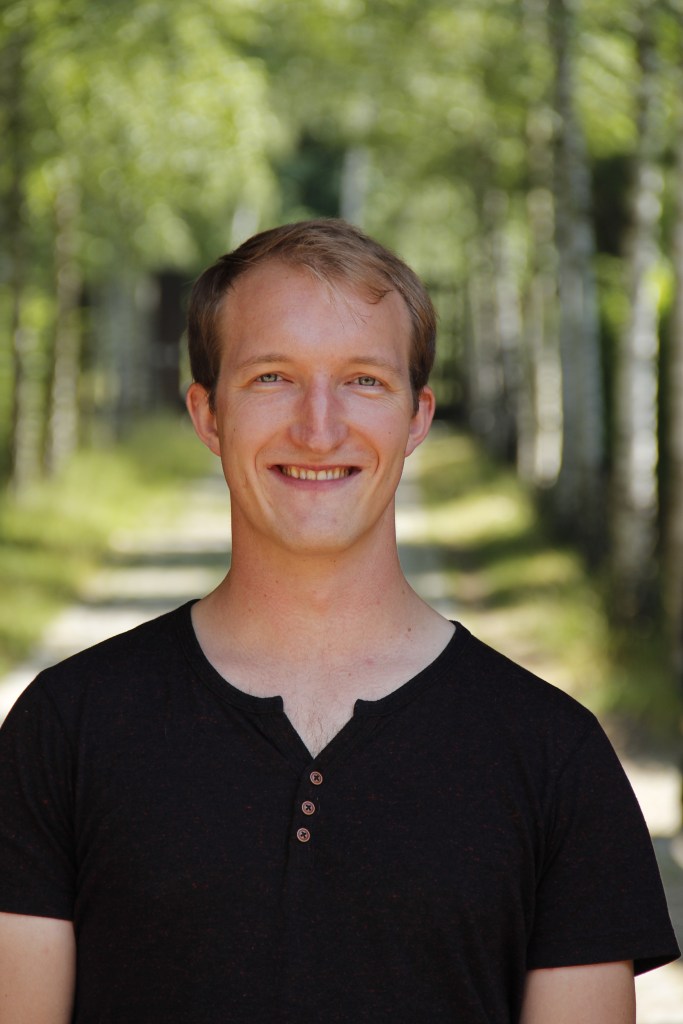
Florian Coppenrath
Florian Coppenrath is an independent researcher and project consultant.
Having recently defended his PhD thesis at Humboldt University in
Berlin, he is particularly interested in popular culture in Central
Asia, as well as labour in the creative sector. He is also a co-founder
of Novastan.org, a French and German online magazine dedicated to
Central Asia.
Meerim Emil Kyzy
Meerim is a senior researcher at the National Museum of fine arts Gapar Aitiev. Part-time archive enthusiast, part-time language lover, full-time in FOMO mode

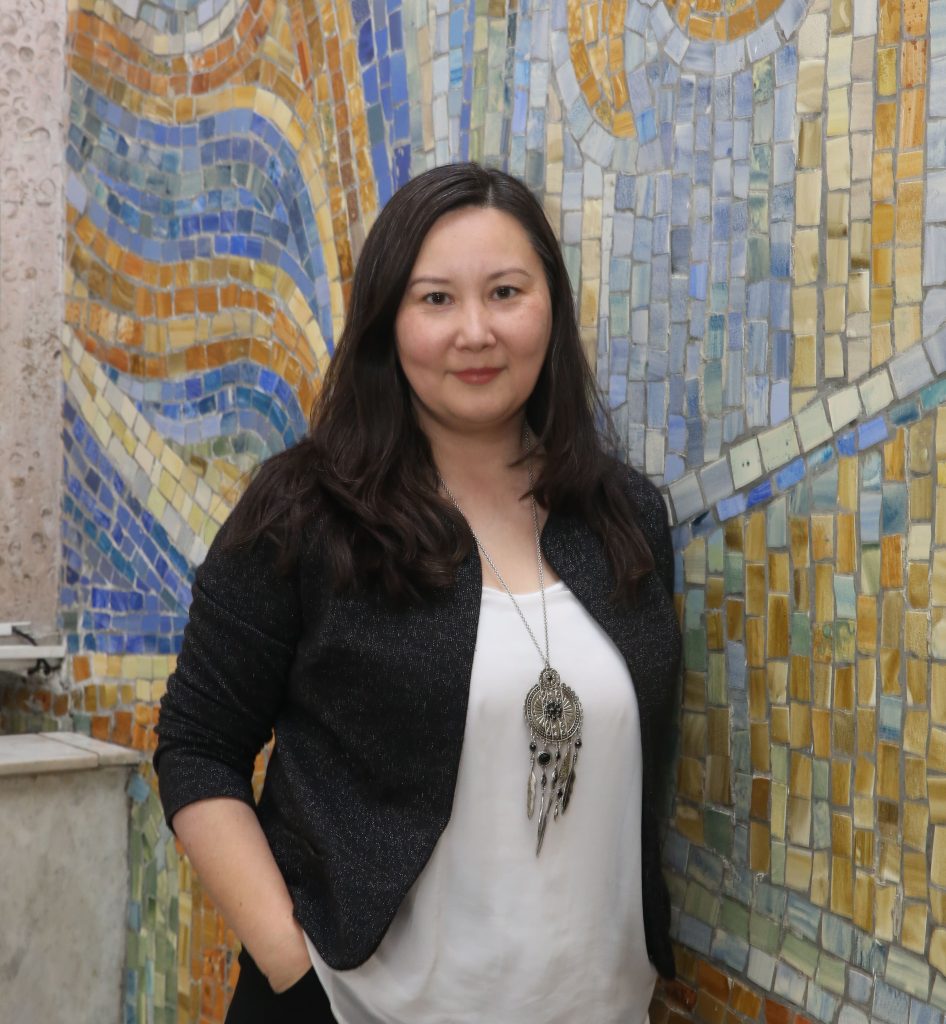
Altynai Kudaigergenova
Altynai is a deputy director of science at the National Museum of fine arts Gapar Aitiev in Bishkek.
Merey Otan
Merey has a PhD in Eurasian Studies from Nazarbayev University. She currently works in the Department of Science and Innovation at Astana IT University. Her research focuses on translanguaging and language ideologies in alternative music and media. She is also a singer-songwriter performing under the stage name Mercury Cachalot.


Alima Togmergenova
Alima is a researcher, co-founder of the Bishkek School of Contemporary Art (BISCA), and researcher at the National Museum of fine arts Gapar Aitiev in Kyrgyzstan. Her interests include the history of Kyrgyz art and the history of Bishkek. Her practices include ceramics, linocut, craftsmanship, kurak, text, and tea rituals.
The MAJIC collaborators

Adel Ismailkhanova
Adel is a multidisciplinary artist, art activist, and DJ. She creates collages, animations, engravings, works with ceramics. She is a member of the studio SYNERGY, conducts art therapy, lectures, curates/co-curates exhibitions, and creates zines. She is a co-founder of the queer rave platform Synergy, organizes raves, parties, teaches DJing, studies the body and performative practices.
Veta Khegai
Veta is an illustrator and graphic designer from Kyrgyzstan whose work is shaped by feminist and decolonial perspectives.
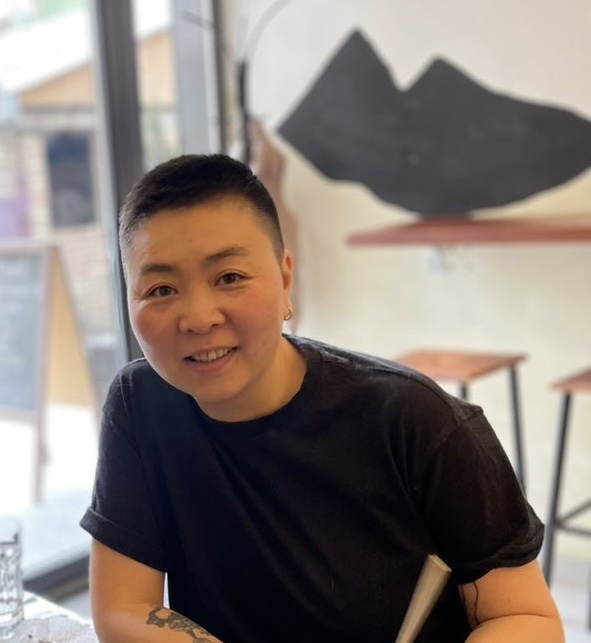
 MAJIC
MAJIC 